Land Leveling Services Overview
This page explains land leveling services and helps property owners compare local contractors who perform the work.
- - Land leveling services for residential properties preparing land for construction or landscaping projects.
- - Commercial land leveling to ensure even surfaces for development, parking lots, or industrial sites.
- - Agricultural land leveling to improve irrigation efficiency and optimize farming operations.
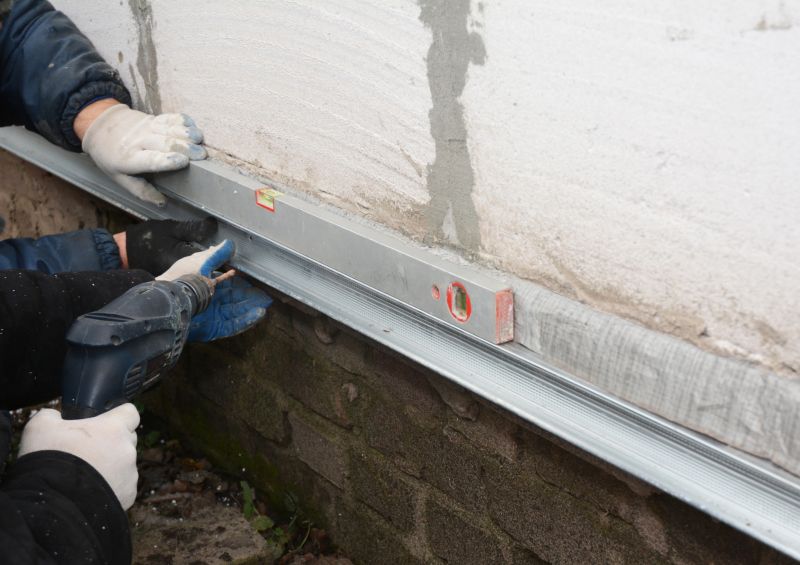
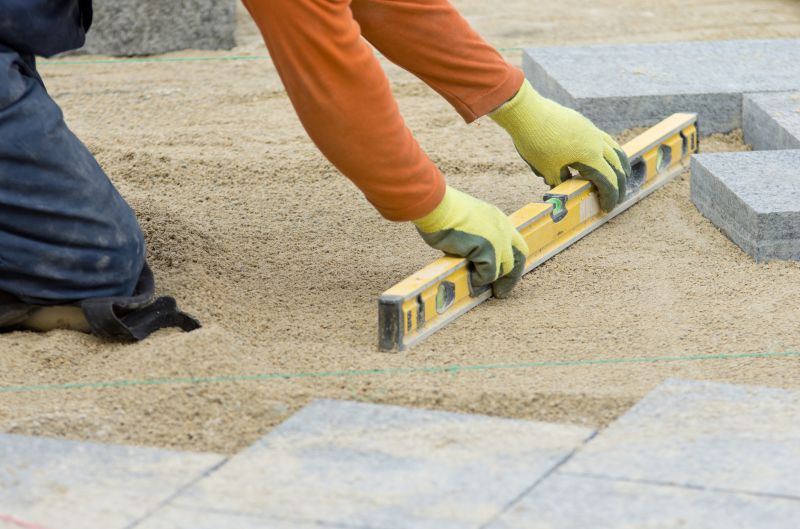
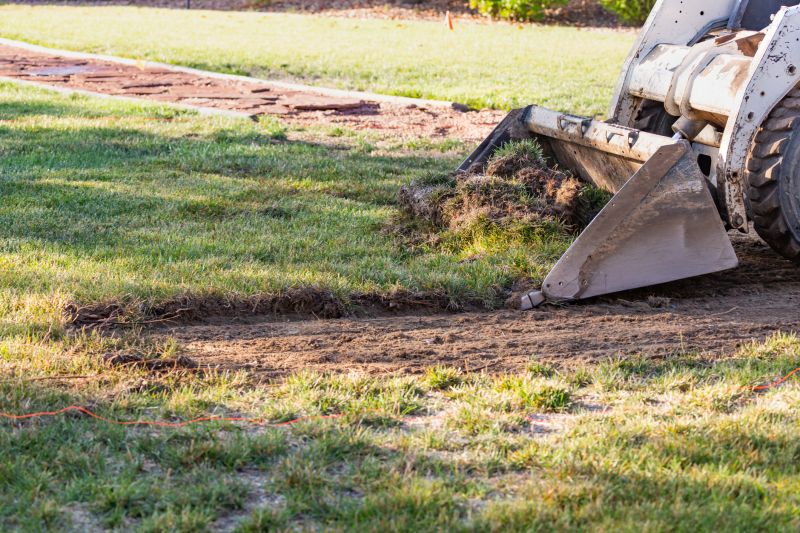
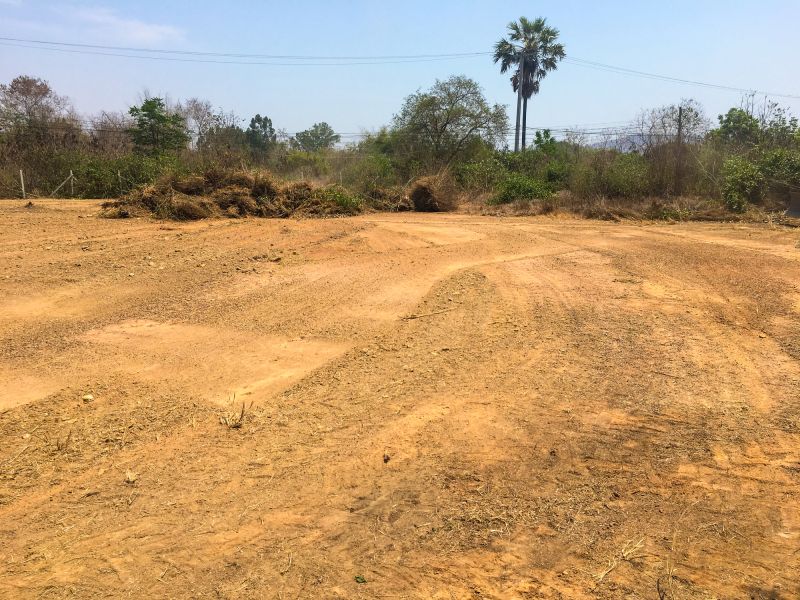
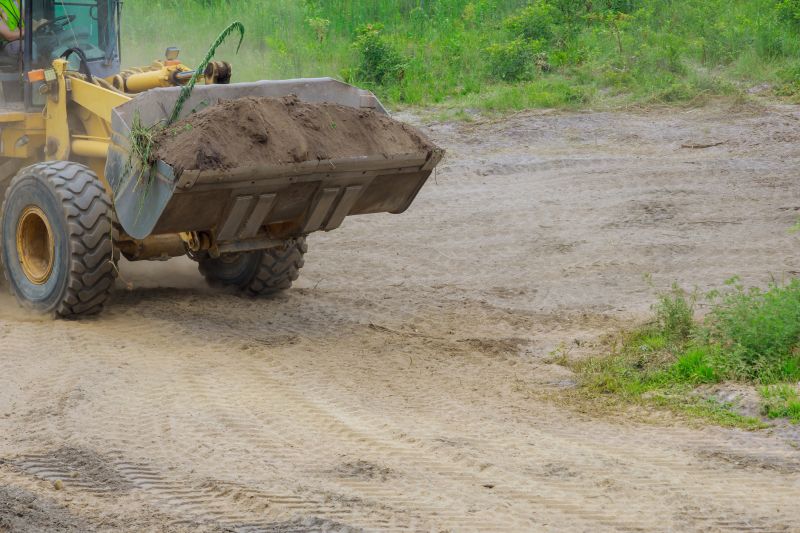
Land leveling services involve adjusting the elevation of a property’s terrain to create a smooth, even surface. Property owners often seek out local contractors for these projects to prepare land for construction, improve drainage, or enhance usability. These professionals typically use specialized equipment to carefully grade and contour the land, ensuring it meets the desired specifications and functions effectively for the intended purpose.
Local service providers in land leveling are experienced in handling a variety of property types and terrain conditions. When property owners need to address uneven ground, settle areas, or establish proper slopes, these contractors offer practical solutions tailored to the specific site. Connecting with nearby experts allows property owners to compare options and find the right professional to handle their land leveling needs efficiently and effectively.
This guide provides helpful information to assist in understanding land leveling projects and what to consider when choosing a service provider. It helps visitors compare local contractors and connect with experienced land leveling specialists in their area. By outlining key factors, it supports informed decisions for those planning land leveling work.