Get Gravel Pad Installation
Local contractors can install gravel pads to improve drainage, create stable surfaces for driveways or sheds, and solve uneven or muddy ground issues on your property.
If you're considering installing a gravel pad on your property, you're in the right place to explore your options. Gravel pads provide a stable surface for various projects, such as building a shed, creating a parking area, or supporting heavy equipment. Property owners in the area often turn to local contractors to ensure the work is done efficiently and to standard, making it easier to plan your project with confidence. Continuing to browse can help you compare services and find the right professionals to meet your specific needs.
Property owners who want a practical, durable surface often seek out gravel pad installation services nearby. Whether preparing a foundation for a new structure or improving drainage around your property, working with experienced local service providers can make the process smoother. Keep reading to learn more about how local contractors can assist with your project and find the right team to bring your vision to life.
- Residential Driveways - homeowners may need gravel pad installation to prepare a stable base for driveway construction or repair.
- Construction Sites - builders and contractors often require gravel pads to create level, durable surfaces for heavy equipment and material storage.
- Commercial Parking Areas - business owners might seek gravel pads to establish or upgrade parking lots with proper drainage and support.
- Agricultural Facilities - farmers and ranchers may need gravel pads for barn foundations, equipment storage, or access paths.
- Outdoor Recreational Areas - park and landscape projects sometimes incorporate gravel pads to create stable bases for structures or pathways.
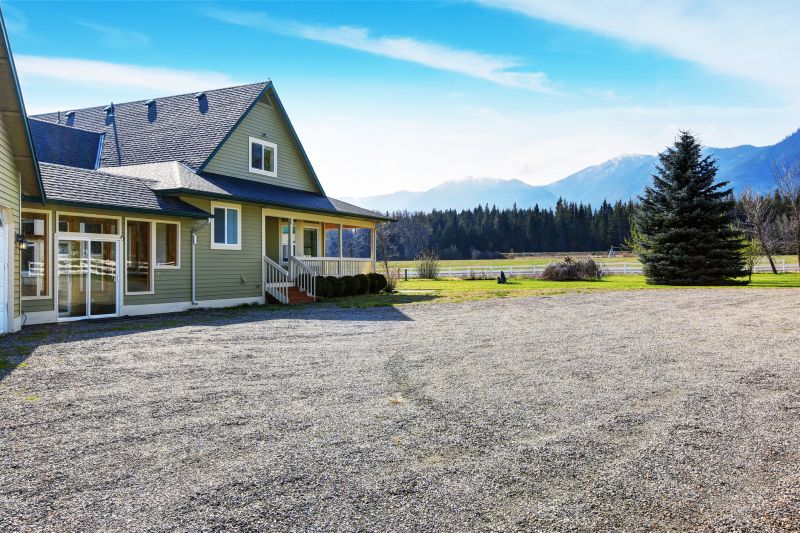
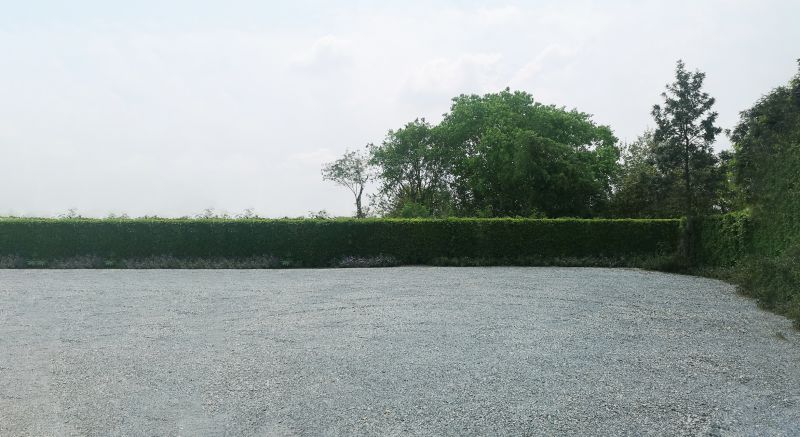
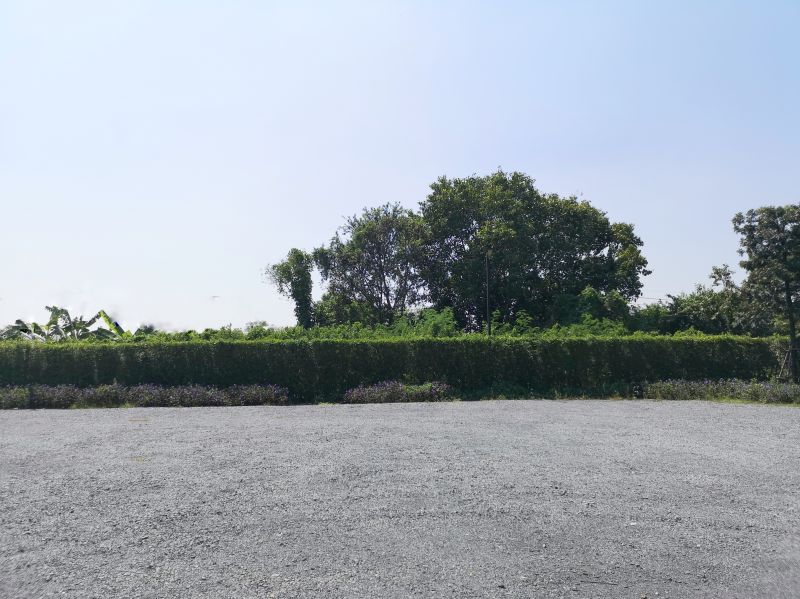
Gravel pad installation involves preparing a stable, level surface made of compacted gravel that provides a solid base for various outdoor structures. This service typically includes site clearing, grading, and laying down multiple layers of gravel that are carefully compacted to ensure durability and stability. The goal is to create a foundation that prevents shifting, sinking, or uneven settling over time, making it ideal for supporting structures like sheds, patios, or outdoor equipment.
One of the main problems gravel pads help solve is ground instability, especially in areas with soft or uneven soil. Without a proper foundation, structures can become unstable, leading to issues like water pooling, erosion, or damage to the structure itself. Gravel pads also improve drainage around the area, reducing the risk of water-related problems and helping to maintain the integrity of the property. This service is particularly useful in regions prone to heavy rainfall or where the ground tends to shift or settle.
Properties that typically use gravel pad installation include residential homes with backyard sheds, garages, or outdoor kitchens, as well as commercial properties needing stable bases for equipment or storage units. Rural properties or those with uneven terrain often benefit from gravel pads to create level, durable surfaces. Homeowners planning to add new structures or upgrade existing ones may find this service essential for ensuring long-lasting support and minimizing future maintenance issues.
Local contractors who offer gravel pad installation are equipped to assess the specific needs of each property and recommend the appropriate size and type of gravel for the project. They handle all aspects of site preparation, ensuring the foundation is properly compacted and level. Contacting experienced service providers can help homeowners and property managers achieve a reliable, long-lasting base for their outdoor structures, ultimately saving time and reducing potential problems down the line.
The overview below groups typical Gravel Pad Installation projects into broad ranges so you can see how smaller, mid-sized, and larger jobs often compare in your area.
In many markets, a large share of routine jobs stays in the lower and middle ranges, while only a smaller percentage of projects moves into the highest bands when the work is more complex or site conditions are harder than average.
Smaller Gravel Pads - Many routine gravel pad installations for small projects typically range from $250-$600. These projects often involve straightforward site prep and standard materials, with most falling within this middle range. Fewer jobs reach into the higher end of the spectrum.
Medium-Sized Installations - For more moderate projects, such as larger driveways or RV pads, costs generally fall between $600-$1,500. Local contractors often see many projects in this range, with complexity and size influencing the final price.
Larger or Complex Projects - Larger gravel pads, especially those requiring extensive site work or specialized materials, can cost $1,500-$3,500 or more. These jobs are less common and tend to push into the higher cost tiers due to additional labor and prep work.
Full Replacement or Custom Jobs - Complete overhaul or custom gravel pad installations can reach $3,500-$5,000+ depending on size, site conditions, and specific requirements. Such projects are typically less frequent and represent the upper end of typical costs for local service providers.
Actual totals will depend on details like access to the work area, the scope of the project, and the materials selected, so use these as general starting points rather than exact figures.
Driveway Gravel Installation - This project involves preparing and laying gravel surfaces, requiring similar site preparation and material handling skills as gravel pad installation.
Foundation Gravel Backfill - Contractors often use gravel for backfilling foundations, which involves precise grading and compaction techniques comparable to gravel pad setup.
Land Clearing and Grading - Clearing and leveling land to create a suitable base for various structures shares planning and earth-moving skills with gravel pad installation.
Walkway and Pathway Construction - Building gravel walkways requires site preparation, gravel spreading, and compaction similar to those used in gravel pad projects.
Drainage System Installation - Installing drainage solutions often involves gravel bedding and trenching, utilizing similar tools and planning as gravel pad setup.
Site Preparation for Small Structures - Preparing sites for sheds, decks, or other small structures involves grading and gravel placement skills comparable to gravel pad installation.
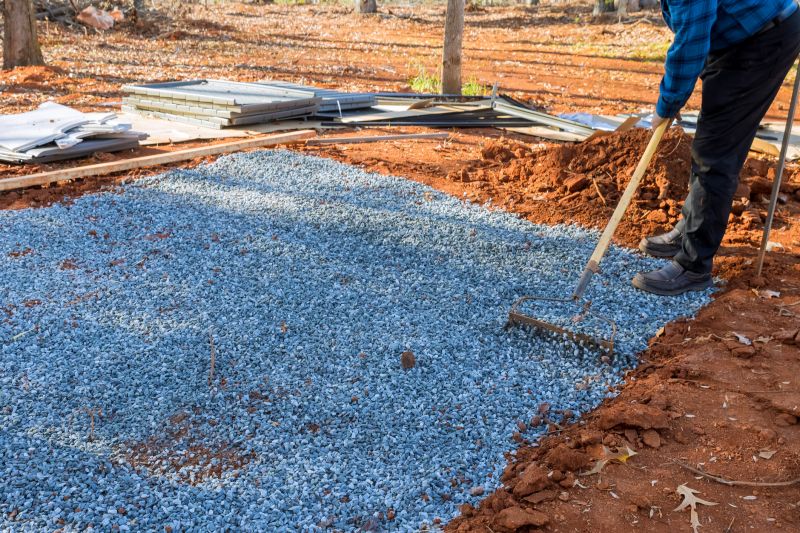
When comparing service providers for gravel pad installation, it’s important to consider their experience with similar projects. A contractor with a proven track record in installing gravel pads for structures like sheds, garages, or other outdoor buildings can offer valuable insight into the process. Homeowners should inquire about how long a contractor has been working on these types of projects and whether they have encountered situations similar to their specific site conditions. An experienced local contractor is more likely to understand the nuances of preparing the ground properly and ensuring the gravel pad is stable and durable for long-term use.
Clear and detailed written expectations are essential when evaluating potential service providers. Homeowners should seek out contractors who can provide a comprehensive scope of work, including the materials used, the preparation process, and any additional services included. Having these expectations outlined in writing helps prevent misunderstandings and ensures everyone is on the same page about the project’s scope. It’s also helpful to ask whether the contractor can provide references or examples of past work, which can serve as a tangible indication of their capabilities and attention to detail.
Effective communication plays a key role in selecting the right local pros for gravel pad installation. A contractor who responds promptly, listens carefully to the homeowner’s needs, and provides clear explanations demonstrates professionalism and a commitment to customer service. Good communication helps clarify project details, address concerns early on, and facilitate a smooth working relationship. While the site introduces homeowners to local options, it’s important to remember that these service providers handle the work directly. Taking the time to compare their experience, expectations, and communication style can lead to a more satisfying project outcome.
Property owners use Gravel Pad Installation services for practical projects around their homes and businesses. This guide focuses on everyday jobs and straightforward project options.
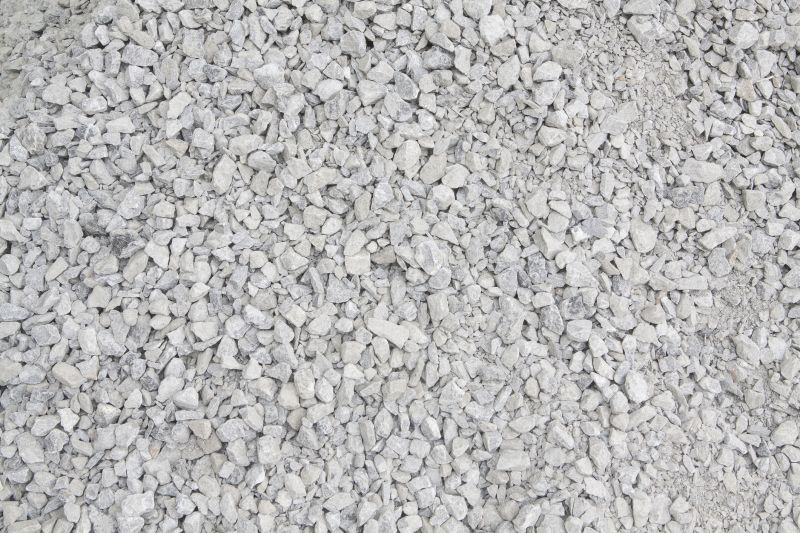
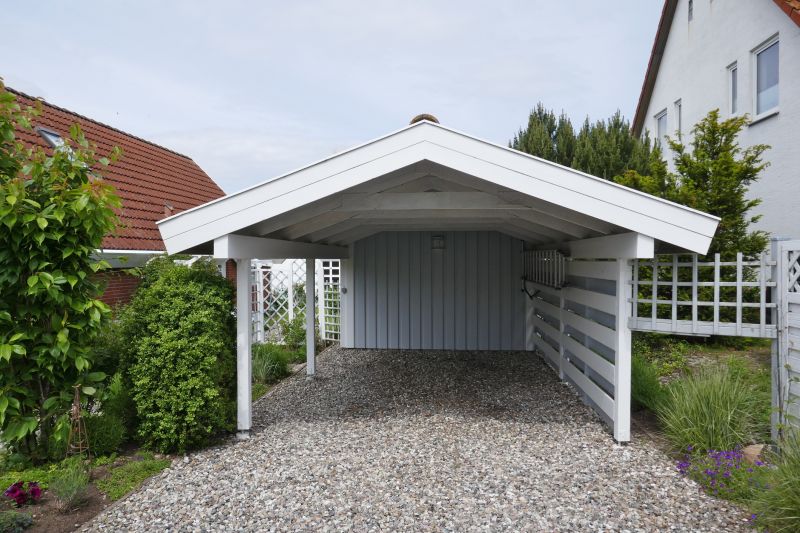
Gravel pad installation is a common project for property owners who need a stable, level surface for equipment, vehicles, or storage areas. Homeowners with driveways that need reinforcement, farmers setting up outdoor workspaces, or those creating a foundation for sheds and outbuildings often seek local contractors to handle this work. These professionals can assess the site, prepare the ground, and install the gravel pad to ensure it provides proper drainage and durability for everyday use.
In many cases, property owners look for gravel pad services to improve accessibility around their homes or businesses. Whether it's creating a level base for a trailer, enhancing a parking area, or establishing a stable foundation for outdoor structures, local service providers can assist with the installation process. They bring practical experience to help ensure the gravel pad meets the specific needs of each project, providing a reliable surface for years to come.
What is involved in gravel pad installation? Gravel pad installation typically includes preparing the site, leveling the ground, and spreading suitable gravel material to create a stable base for structures like sheds or equipment.
Why should I consider a gravel pad for my project? A gravel pad provides proper drainage, reduces ground moisture, and offers a solid foundation, helping to prevent shifting or settling over time.
How do local contractors determine the size of a gravel pad needed? Contractors assess the size and weight of the structure, along with site conditions, to recommend an appropriately sized gravel pad that ensures stability and support.
Is gravel pad installation suitable for all types of soil? Gravel pads can be installed on various soil types, but contractors may need to perform additional site preparation on softer or uneven ground to ensure proper support.
What types of gravel are used for gravel pad installation? Common gravel types include crushed stone, limestone, and gravel mix, selected based on durability, drainage properties, and suitability for the specific application.
Build a stable foundation for outdoor structures - Gravel pads provide a level base for sheds, decks, or play equipment, ensuring stability and longevity.
Prepare a driveway or parking area - Installing a gravel pad can create a durable, permeable surface for vehicles and outdoor storage.
Create a drainage-friendly surface - Gravel pads help manage water runoff around homes and gardens, reducing erosion and pooling issues.
Set up a workshop or hobby space - A gravel pad offers a solid, accessible foundation for setting up outdoor workstations or equipment.
If you are thinking about Gravel Pad Installation for a property, this guide is meant to help you understand the work, the typical project types, and how different options might fit your plans.
When you are ready, you can use the quote form on this page to share a few details about your project. From there, local pros can review the basics and respond with options that match what you have in mind.